ADVERTISEMENT
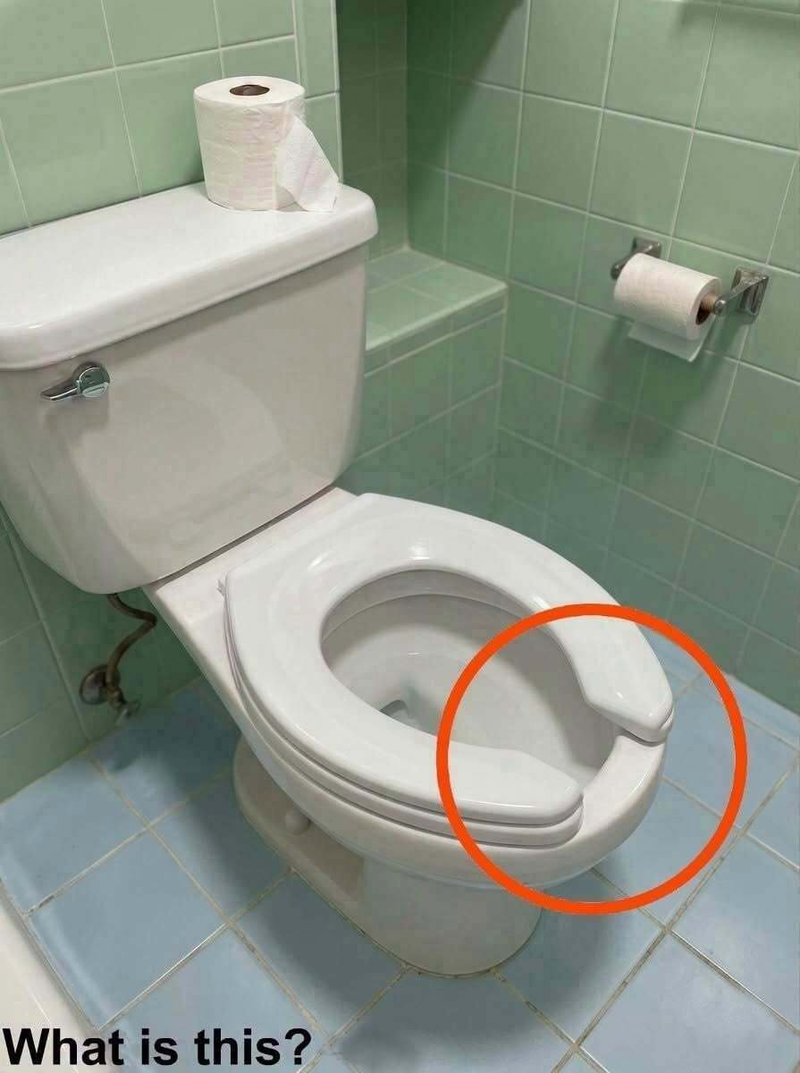
That gap in the toilet seat is no accident. I nearly dismissed the strange opening as a broken design, until I discovered why it appears in so many public restrooms. Behind that missing piece lies a surprisingly personal concern, a practical cleaning advantage, and a plumbing rule that turns an everyday bathroom mystery into something worth a second gla… Continues…
Plumbing standards help explain their widespread use. The International Plumbing Code generally calls for smooth, nonabsorbent, open-front seats for public or employee toilets, with exceptions; requirements depend on the code adopted locally. Closed-front seats remain common in homes, where preferences about appearance and comfort often guide the choice. What first seemed like a manufacturing flaw was actually a deliberate detail—a small reminder that familiar objects often solve problems we rarely stop to consider.
ADVERTISEMENT
